
EMSculpt Glasgow
EMSculpt — two pads
Regular price£249 Current course price£99
Sale EMSculpt — two pads £249
Free Skin Tightening FREE£99
Glasgow electromagnetic treatment
EMSculpt places external applicators over a selected muscle group and uses electromagnetic pulses to produce repeated contractions. It may support a cosmetic muscle-conditioning plan, but it does not replace exercise, physiotherapy or medical care.
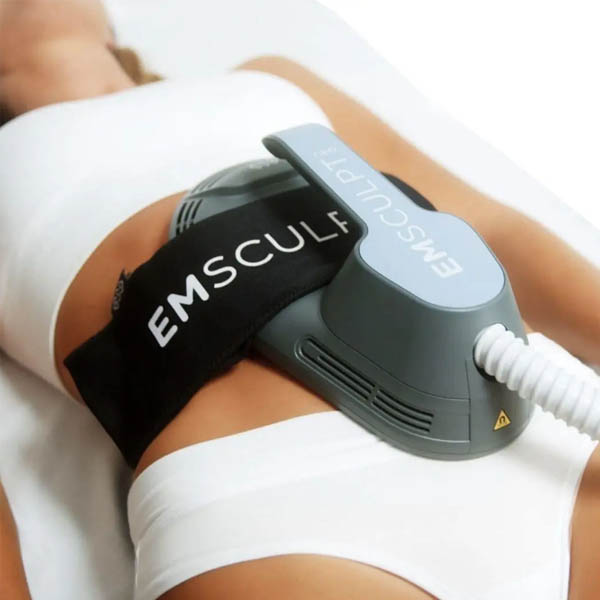
How the session works
The practitioner secures the applicators over the agreed area, begins at a low intensity and increases it in stages. Strong contractions alternate with recovery phases while you remain lying or seated.
Small published studies report changes in muscle thickness and appearance after HIFEM treatments, but many are device-industry linked and do not justify guaranteed percentages or claims equivalent to a workout. Your response may be subtle.
See the Glasgow package
Expect powerful pulling or tightening. Tell the practitioner immediately about sharp pain, joint pain, numbness, dizziness or any sensation that feels wrong rather than simply intense.
Before a course starts
Electromagnetic fields may make treatment unsuitable for people with pacemakers, defibrillators, pumps, metal or electronic implants, pregnancy, epilepsy and some cardiac, neurological or musculoskeletal conditions. Recent surgery, hernia or injury in the area also needs assessment.
Muscle tiredness, soreness, cramp and temporary redness can follow treatment. Pause strenuous exercise if advised, hydrate normally rather than excessively, and contact the clinic if pain is severe or persistent, weakness develops, or symptoms are not settling as expected.
Check the Glasgow offerGlasgow EMSculpt pricing
The live package shows what is included. Confirm the exact device, treatment area and proposed schedule at consultation before committing to a course.
Feed prices are cached for 24 hours. Offers and appointment times can change; payment does not establish medical suitability or promise a visible result.
Using this Glasgow guide
This page separates the intended cosmetic use from likely limitations, material risks and reasons treatment may be unsuitable. Your health history, the exact product or device and the practitioner’s protocol can change the advice that applies.
Read NHS guidance on choosing a practitionerCheck their treatment-specific training, experience, insurance and any professional registration relevant to the procedure.
Understand common short-term effects, less common serious harms, aftercare and who will help if something goes wrong.
A price or appointment slot does not confirm suitability. You can ask for written information, pause or decide not to proceed.
Useful before booking
A sensible course has a defined area, screening and a review point—not a headline transformation claim.
Speak with GlasgowThe applicator generates a changing electromagnetic field that stimulates motor nerves, prompting repeated involuntary contractions in the underlying muscle.
No reliable conversion exists between device contractions and repetitions of a real exercise. Exercise also trains coordination, balance, cardiovascular fitness, bone and whole-body movement, which EMSculpt cannot reproduce.
Studies suggest possible changes in selected measurements and appearance, but samples are often small, follow-up is limited and manufacturer links are common. Individual cosmetic benefit is uncertain.
Strong electromagnetic fields can interact with electronic or metal devices and may cause unsafe heating, movement or malfunction. Disclose every implant, coil, pump, plate, screw and prior operation before treatment.
Most people resume routine activity, although treated muscles may feel fatigued, tender or cramped. Arrange the first appointment when you can observe how your body responds.
This service is offered for cosmetic muscle conditioning, not diagnosis or rehabilitation. Pain, weakness, suspected hernia, diastasis or postpartum concerns should be assessed by a GP, physiotherapist or other appropriate clinician.
Stop and report sharp pain, unusual nerve symptoms or dizziness during treatment. Persistent severe pain, weakness, chest pain, fainting or concern about an implanted device needs prompt medical advice; emergency symptoms require 999.
Choose the area thoughtfully