
Ask who will treat you
Check their treatment-specific training, experience, insurance and any professional registration relevant to the procedure.
Low-level scalp light in Glasgow
Laser Hair Rejuvenation is a non-invasive light-based service for the scalp, considered only after discussing the pattern, timing and possible causes of your concern.
The Glasgow session
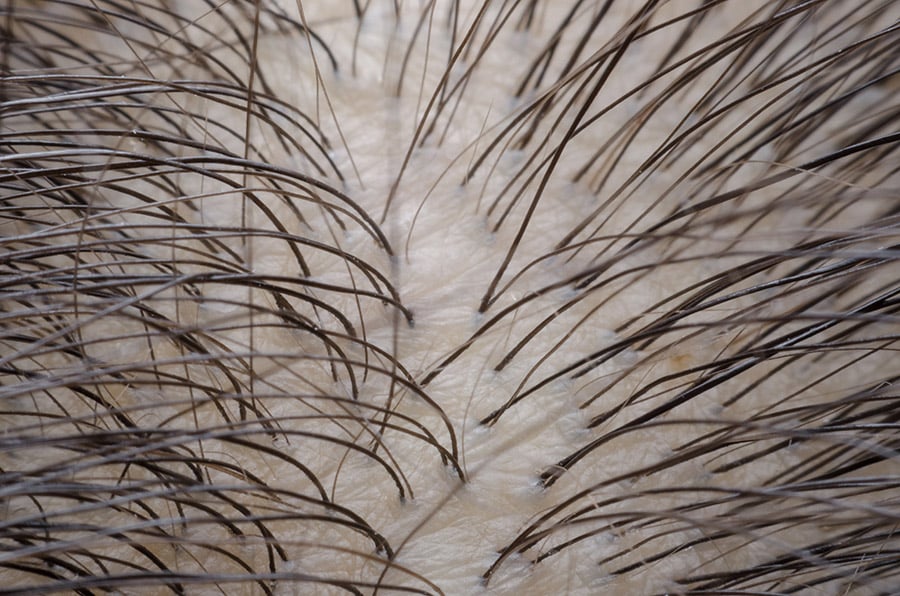
You sit with the scalp positioned beneath the low-level light device for the programmed time. The service does not use the heat-based follicle-damaging approach associated with laser hair removal.
The cause of thinning matters more than the equipment name. Pattern hair loss, temporary shedding after illness, nutritional deficiency and inflammatory or autoimmune conditions do not share one treatment pathway, and a cosmetic practitioner cannot diagnose between them.
Discuss your hair concern in Glasgow
The NHS advises seeing a GP to understand hair loss before approaching a commercial clinic. This is especially important when change is sudden, patchy, painful, inflamed or linked with illness or other symptoms.
Review rather than assumption
Low-level light does not restore every type of hair loss and no density change can be guaranteed. A proposed schedule should include a point at which comparable photographs and your experience are reviewed before more sessions are purchased.
Tell the Glasgow practitioner about diagnosed scalp or light-sensitive conditions, eye problems, migraines or seizures triggered by light, pregnancy, and every medicine or supplement. Device-specific exclusions determine whether a session can go ahead.
Ask about a Glasgow scalp assessmentUsing this Glasgow guide
This page separates the intended cosmetic use from likely limitations, material risks and reasons treatment may be unsuitable. Your health history, the exact product or device and the practitioner’s protocol can change the advice that applies.
Read NHS guidance on choosing a practitionerCheck their treatment-specific training, experience, insurance and any professional registration relevant to the procedure.
Understand common short-term effects, less common serious harms, aftercare and who will help if something goes wrong.
A price or appointment slot does not confirm suitability. You can ask for written information, pause or decide not to proceed.
Make an informed start
A cosmetic light course should sit behind, not in front of, an appropriate explanation for your hair loss.
Contact the Glasgow teamThe NHS recommends seeing a GP to get an idea of the cause before visiting a commercial hair clinic. Bring any diagnosis or treatment advice to your VIVO consultation.
It exposes the scalp to low-level light on a repeated schedule. The page does not claim it cures hair loss, and whether it is a reasonable option depends on the type of loss and the device guidance.
Seek medical assessment for sudden or patchy loss, pain, redness, scaling, scarring, broken skin, loss after illness or medicine, or hair change accompanied by other symptoms.
Hair cycles are slow, so an immediate visual conclusion is not realistic. The practitioner should set a review point and use consistent photographs rather than promise a fixed timetable.
Do not change prescribed or pharmacy treatment to fit cosmetic sessions. Tell both the prescriber and practitioner what you use so that advice is coordinated.
Tell the practitioner immediately about eye discomfort, headache, dizziness, marked scalp heat or irritation. If symptoms persist or concern you after leaving, contact the clinic and seek medical advice as appropriate.
Cause, suitability, then commitment