
Laser hair reduction Glasgow
Full body
Regular package£399 Current package£99
Sale Full Body Laser Hair Removal £399
Glasgow face and body courses
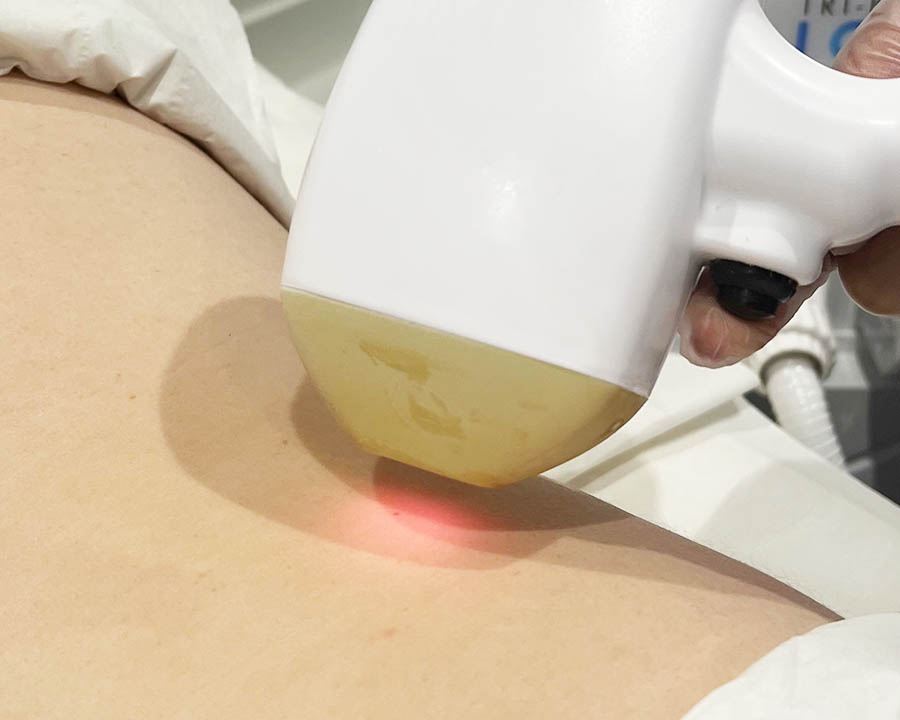
Laser treatment heats pigment in suitable hair follicles while skin-cooling measures help protect the surface. It can reduce regrowth over a course; it cannot promise that every hair is removed permanently.
Selective light and hair cycles
The chosen laser wavelength is absorbed by melanin in a suitable hair shaft and converted to heat around the follicle. Settings, pulse duration and cooling must be selected for your skin, hair, area and recent sun exposure.
Only hairs in a responsive growth phase can be affected at each visit. Dark, coarse hair usually offers a clearer target than white, grey, blonde, red or very fine hair, and hormonal growth may require longer-term management.
See Glasgow face and body prices
The test checks a small area at proposed settings, but it cannot predict every reaction over a course. Tanning, medicines, skin changes and treatment area must be reviewed again at later visits.
Course planning and aftercare
The face and body have different growth cycles, so appointment spacing should be reviewed as regrowth slows. Shaving usually keeps the follicle target available; waxing or plucking can remove it and undermine treatment.
Redness, warmth and swelling around follicles are common short-term effects. Burns, blisters, darker or lighter pigmentation, scarring, eye injury and paradoxical increased hair growth are less common. Report blistering, severe pain, spreading redness, visual symptoms or pigment change promptly.
Open Glasgow course pricesGlasgow laser packages
Pricing is shown for the available package definitions. Confirm exactly which anatomical areas are included, which laser will be used and how patch testing fits the booking timeline.
Prices are supplied by the clinic feed and cached for 24 hours. Offers, dates and included areas vary; every course requires ongoing suitability and patch-test checks.
Using this Glasgow guide
This page separates the intended cosmetic use from likely limitations, material risks and reasons treatment may be unsuitable. Your health history, the exact product or device and the practitioner’s protocol can change the advice that applies.
Read NHS guidance on choosing a practitionerCheck their treatment-specific training, experience, insurance and any professional registration relevant to the procedure.
Understand common short-term effects, less common serious harms, aftercare and who will help if something goes wrong.
A price or appointment slot does not confirm suitability. You can ask for written information, pause or decide not to proceed.
Before the first pulse
Hair colour, skin response and consistency shape outcome more than a universal session number.
Ask the Glasgow teamThe defensible aim is long-term stable hair reduction. Some regrowth is common, hormones can stimulate new growth and maintenance appointments may be needed.
Most hair-removal lasers rely on melanin as the target. Hair with little or a different type of pigment may absorb too little energy for useful follicle heating.
Appropriate professional devices and settings can treat a wide range of skin tones, but not every wavelength suits every skin. The practitioner should identify your skin type, device and cooling strategy rather than claim one setting works for all.
Follow your written instructions about sun and tanning, self-tan, skincare, medicines and hair removal. Do not conceal recent exposure or stop prescribed medicine yourself; ask the clinic and prescriber for advice.
Paradoxical hypertrichosis means increased or coarser hair near a treated area. It is uncommon but reported, particularly on face and neck, and should be included when discussing risk.
New thick dark hair, menstrual change or other hormonal symptoms can have an underlying cause. NHS advice recommends GP assessment for hirsutism, and more urgent review when growth is sudden with voice or muscle changes.
Blistering, severe or increasing pain, crusting, pale or dark patches, signs of infection or any eye or vision symptom need prompt assessment. Protect the area from sun as instructed.
Start with evidence on your skin