Glasgow Plasma Eye Lift
Upper or lower lids
Standard combined value£530 Current Glasgow price£99
Sale Plasma Upper or Lower Lids £332
Free HIFU Upper Face Lift FREE£99
Free Supersonic Chin Reduction FREE£99
A high-precision Glasgow procedure
Plasma Eye Lift places small superficial thermal points across an agreed eyelid area, creating a visible healing phase that must be understood before treatment.
The Glasgow Plasma Eye procedure
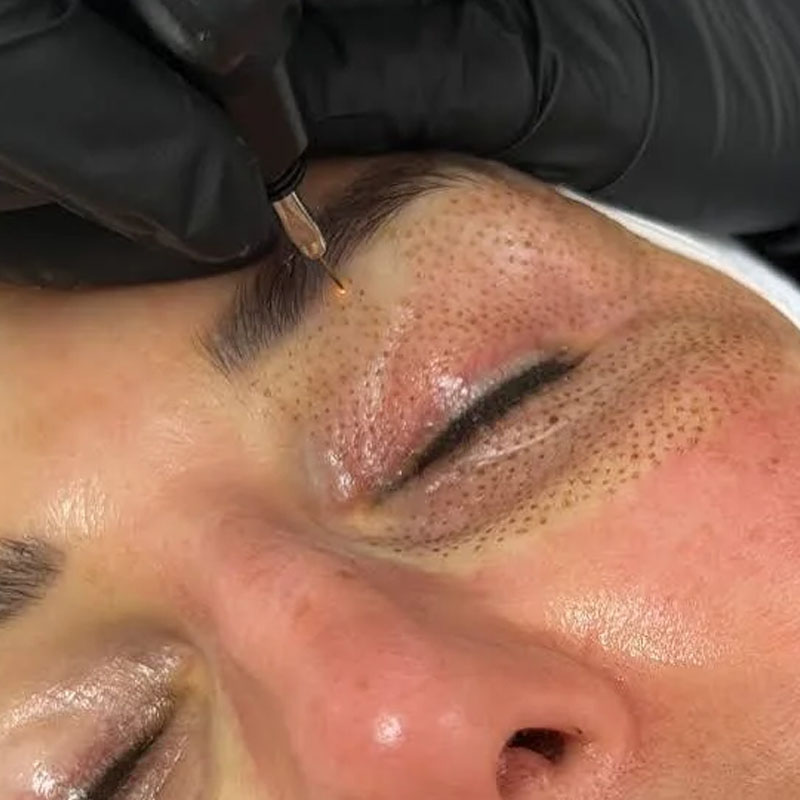
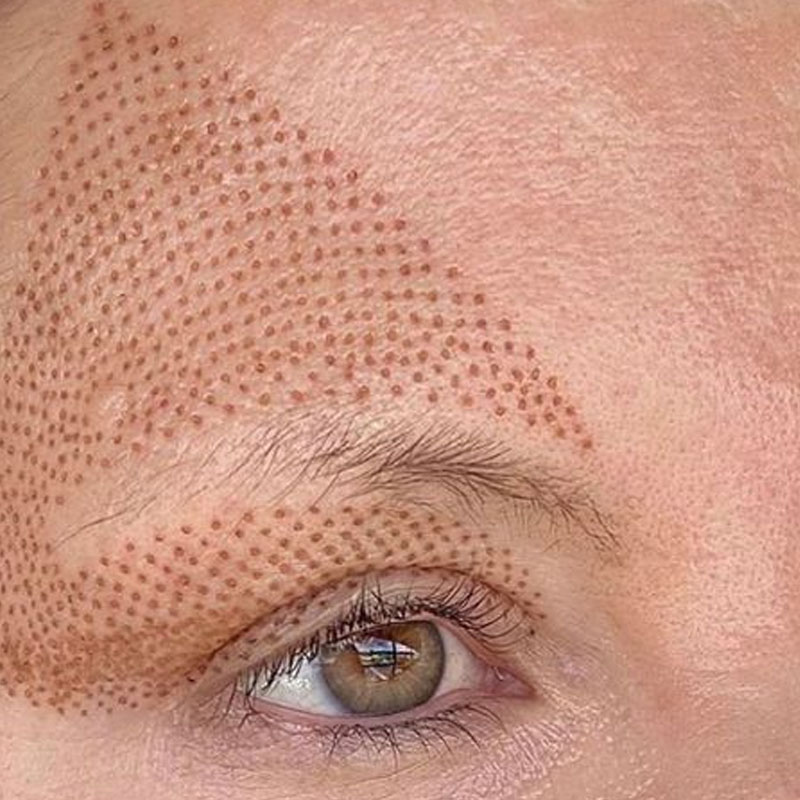
After assessment and numbing cream, the device creates a small electrical arc near the surface. The practitioner places a controlled pattern of treatment points over only the upper or lower lid area agreed in the consent process.
Those points form crusts while the area heals. This is more invasive than a contact-free facial, cannot reproduce every result of blepharoplasty and carries risks including burns, infection, scarring, lasting pigment change and an outcome you may not like.
Compare the Glasgow eyelid packages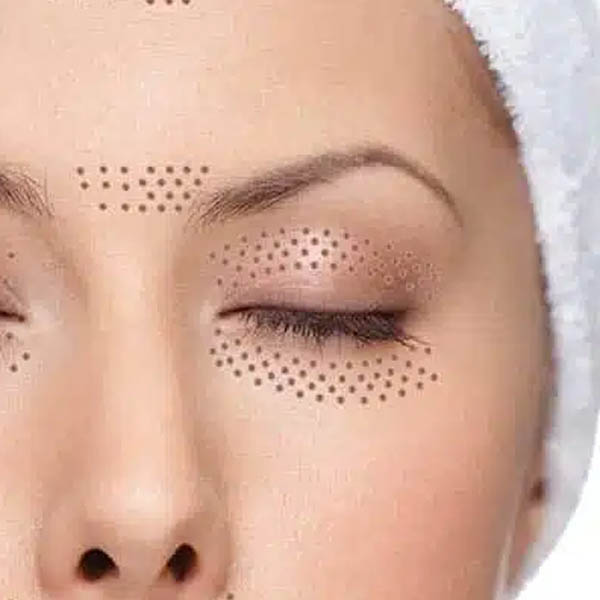
Do not pick, scratch or disguise the points unless your written aftercare permits it. Keep the area clean as instructed and follow the specific advice on products, makeup and sun protection.
Suitability near the eye
Tell the practitioner about pigmentation after injury, keloid or poor scarring, active infection or dermatitis, pregnancy or breastfeeding, medicines, recent tanning and every eye condition, operation or procedure. Assessment may lead to postponement or refusal.
Contact the Glasgow clinic about worsening pain, heat, redness, discharge, prolonged swelling or delayed healing. New visual disturbance, severe eye pain, rapidly escalating swelling or signs of a serious allergic reaction require urgent medical assessment.
Read the Glasgow package choicesGlasgow Plasma Eye offers
The package card states the areas and included extras; the consultation may change whether any part is suitable for you.
Clinic-feed prices are cached for 24 hours. Offers and availability may change, and no booking confirms clinical suitability for eyelid treatment.
Using this Glasgow guide
This page separates the intended cosmetic use from likely limitations, material risks and reasons treatment may be unsuitable. Your health history, the exact product or device and the practitioner’s protocol can change the advice that applies.
Read NHS guidance on choosing a practitionerCheck their treatment-specific training, experience, insurance and any professional registration relevant to the procedure.
Understand common short-term effects, less common serious harms, aftercare and who will help if something goes wrong.
A price or appointment slot does not confirm suitability. You can ask for written information, pause or decide not to proceed.
Do not minimise the healing phase
Consent should cover the actual area, alternative choices, common effects, material risks and a clear complication route.
Ask the Glasgow practitionerNo. It does not cut away excess skin or replicate a surgical blepharoplasty. Functional eyelid problems or skin affecting vision should be assessed by an appropriate eye or surgical specialist.
The plasma arc creates deliberate superficial thermal points. These dry and crust as they heal; removing them early can increase the risk of infection, scarring or pigment change.
Expect swelling and a pattern of dark crusts for several days, with recovery sometimes taking around 10 days. Residual redness or colour change can last longer and healing varies.
Burns, infection, scarring, persistent redness or swelling, lighter or darker pigment and dissatisfaction are possible. Eye-area symptoms can also require urgent assessment.
Active skin disease, infection, relevant eye problems, a history of abnormal scarring or pigment change, some medicines, pregnancy or breastfeeding and recent procedures may affect suitability.
Contact the clinic for increasing pain, warmth, redness, discharge, unexpected swelling or slow healing. Seek urgent medical help for any change in vision, severe eye pain or rapidly worsening swelling.
Risk and recovery before price